
Highlights from a Season of Stewardship: By David Ryser
October and November 2025 were full of meaningful events around climate and environmental stewardship—especially here in Utah and within the LDS community.
On October 15, Utah Clean Energy (UCE) hosted the Utah CCL chapters for a fundraiser supporting students who hope to attend CCL’s National Lobbying Day in Washington D.C. in 2026. The event took place at UCE’s net-zero Climate Innovation Center in downtown Salt Lake City. During the first hour, four of us from the LDS Action Team slipped into one of their rooms, logged onto Zoom, and held our monthly meeting. We joined others online to share personal stories connected to October’s theme: how the arts and creativity shape our engagement with climate stewardship.
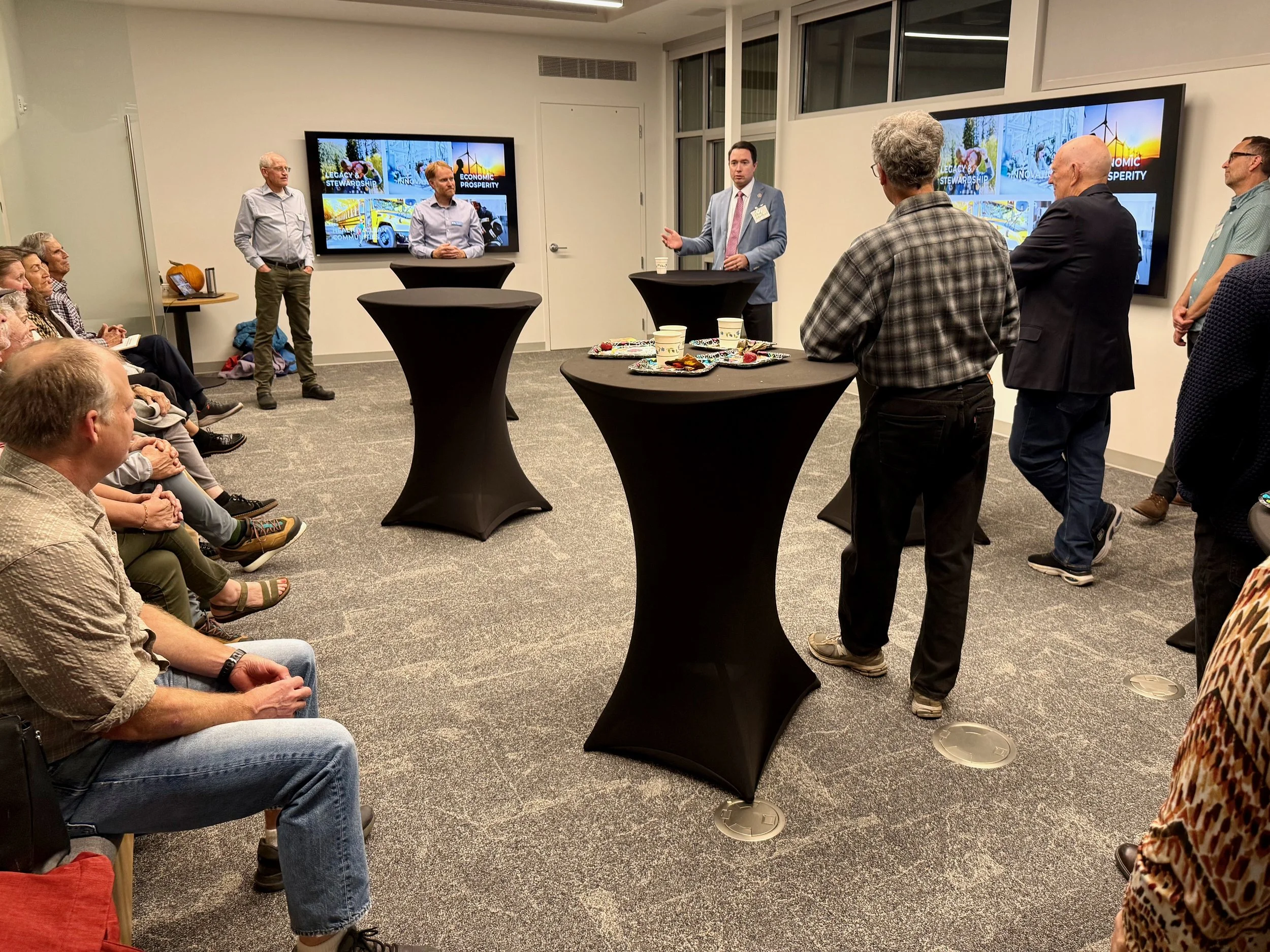
The second hour shifted into a program of short presentations. Two high school students spoke about their inspiring experiences lobbying in D.C. last July, made possible through scholarship support from our chapter. Then UCE climate scientist Logan Mitchell shared encouraging updates about progress in climate advocacy, even amid ongoing challenges. Utah State Representative Clint Overland—who represents several of us from the Sandy area—also joined us. He offered strong support for the work we’re doing and impressed everyone with his enthusiasm and willingness to participate.
A couple of days later, on October 17, the Fourth Annual Conservative Climate Summit was held at the University of Utah. I’d estimate about a dozen CCL members attended. Marc Peterson hosted a table along with LDSES and many other organizations. The seven-hour event included remarks from Senator John Curtis, an interview with U.S. Energy Secretary Wright, and multiple breakout sessions and panels. A solid overview can be found in an article by The Business Download. Marc and I each wrote letters to the editor following the event, and we were pleased to see both quoted in that article.
On October 21, Dave Folland, Craig Smith, and I attended a lecture by renowned BYU economics professor Arden Pope, whose air-quality research is respected worldwide. The talk was hosted by the University of Utah’s Wilkes Center for Climate Science and Policy and focused on the impacts of air pollution on health. He highlighted findings from the temporary Geneva Steel shutdown in the 1980s, compared them to dozens of studies worldwide showing similar patterns, and shared insights from his recently published book.
The next evening, October 22, UCE hosted another event—this time at the Alta Club in Salt Lake City. A dozen or more CCL leaders attended. We first heard from Stephen Andersen, a natural resource economist from Logan who played a key role in negotiating the Montreal Protocol, the landmark treaty that reversed the ozone crisis. He spoke about lessons that agreement may offer for addressing climate change today. Then Luigi Resta, founder of the renewable-energy company rPlus, shared insights from his work in utility-scale clean energy.
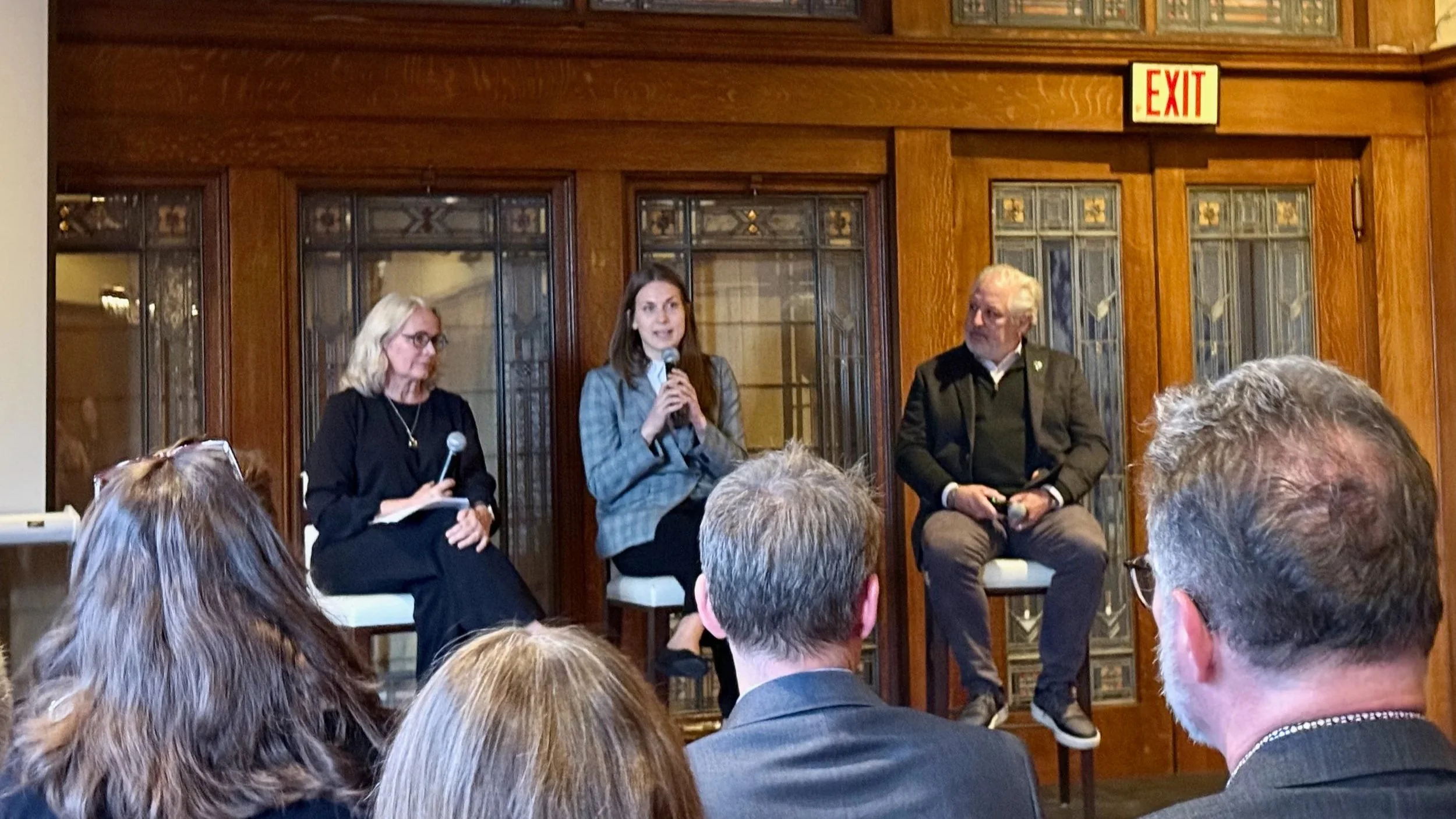
The final speaker that evening was Jenica Sedgwick, Sustainability Manager for The Church of Jesus Christ of Latter-day Saints. Her presentation was warm, engaging, and well-received by the crowd of nearly 100 community leaders. I gave her my contact information and received a thoughtful thank-you email the next morning. I’ll be following up with an offer to support her work in any way the LDS Action Team can.
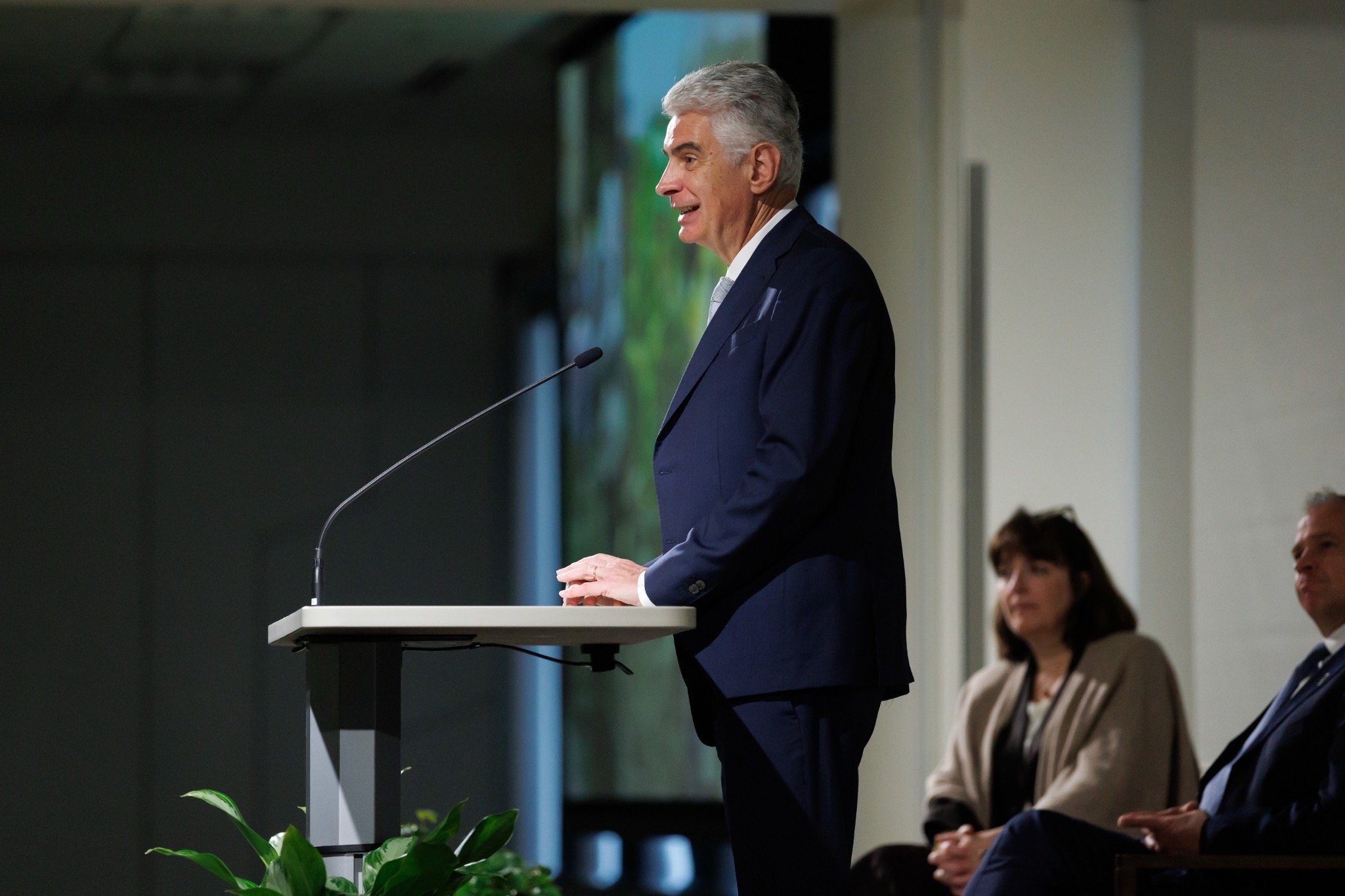
All of these October events were meaningful, but the one that resonated most deeply with the LDS community was the BYU Stewardship Symposium on November 14–15. Craig Smith and I were fortunate to attend the keynote address by Elder Gérald Caussé—an address many of you have likely heard about already. Nearly 800 people attended, including many who were on campus for a separate symposium on the Church’s humanitarian work and plans for the new BYU medical school. Elder Caussé focused largely on stewardship of the environment and its connection to human well-being.
After the keynote, Craig and I walked across campus to the Karl Maeser Building, where the Stewardship Symposium continued for the remainder of the day and the next. More than 45 presenters—from BYU and other universities—shared perspectives from the life and physical sciences, engineering, arts, literature, humanities, law, and other disciplines. The sessions were academic and grounded in LDS thought, history, and doctrine. Climate change appeared in several presentations directly, and indirectly in many others. The symposium served as a continuation of the work published in Stewardship and the Creation: LDS Perspectives on the Environment (2006). This year’s proceedings are expected to be published sometime next year.
We will be discussing the symposium in much more depth at our next LDS Action Team meeting on December 17.
